Behind every album rollout, artist interview, and announcement is a carefully planned and executed public relations strategy, and behind that strategy, there is a team of individuals passionate about working to showcase how the artist connects with the public.
While audiences usually only see the final product, music public relations professionals play a crucial role in communicating the relationship between artists and the public.
To better understand the behind-the-scenes work, I spoke with Samantha Lorenzo, who has had about 6 combined years of experience in music PR and even worked at Warner Records from 2019 to 2021. She currently works at the University of Oregon’s School of Journalism and Communication as a market researcher and communication specialist. Lorenzo discussed with me the realities of working in music PR, how the industry has evolved in recent years, and what effective communication looks like behind the scenes.
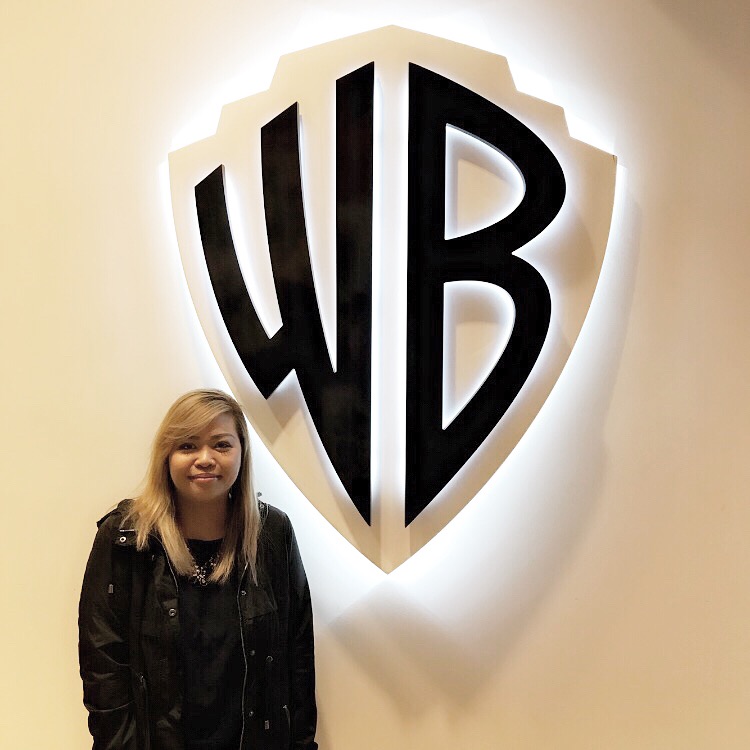
Simone Johnson: For those unfamiliar with the industry, what is the difference between a publicist and a broader PR team in music?
Samantha Lorenzo: They’re both under the umbrella of public relations. Public relations is about managing the relationship between your client and the public, where the publicist plays a more centralized role. So you’re still managing those relationships, but the main thing you’re focused on is media—getting media outlets to cover your client, getting their story out there, managing the types of stories that are coming out about your clients. So, you’re in the middle of media marriages.
Johnson: People often see the finished product of a music campaign but not the work behind it. What is something about music PR that might surprise people?
Lorenzo: I guess how much planning really goes into it. People usually just think you just get this song, set the release date, push it out, and give people the music links and things like that. But it goes so much beyond that, especially in a major record label. You have to plan with so many different teams; you have to plan with marketing, you have to plan with promotion, you have to plan with art, you have to plan with fan engagement about how the rollout is going to be, and then make sure that we’re hitting all our targets.
Then you use media lists, which are like “Who are the biggest outlets, who are the big journalists that can help us really push this out; who are artists that would benefit from having a relationship with our artist?” Things like that; we’re not just asking journalists, “Hey, can you write this story?” We’re trying to build relationships with them, like inviting them to listening parties, letting them hear unreleased music first, and having them have lunches or dinners with our clients. There’s a lot of planning with that, and there’s also like prepping the artists for interviews or pitching to different producers and things like that, like “Our artist would be great for this,” also working with other teams and making sure we’re aware of what types of events are happening.
I once planned an event for a male artist, and I was monitoring the TV watching to see media coverage, like “who’s picking this up?” “What journalists are looking at this?” So, there’s a lot of like planning that goes into it.
Then, measuring the success like “Wow, they picked it up; what are they saying; what are the most compelling quotes in these articles?” and compiling that for the artists’ team. So it’s a lot of work, it’s not just where we take the music right and have people promote it, there’s a lot of moving parts.
Johnson: How did COVID change music PR, and what changes have lasted?
Lorenzo: A lot of music PR had to shift from doing in-person promotions like events and interviews. So, we had to shift to a lot of virtual stuff, like virtual concerts or virtual performances on platforms like Twitch or YouTube. I know there has been a shift to VR concerts as well. Extended reality (XR) technologies are something the music industry has started to adopt, but I don’t think they’ve become a big part of it yet. But I know they’re trying to integrate different types of technologies because the in-person aspect of the music business wasn’t available during COVID, which is something that I did notice.
Johnson: How did PR teams adapt so quickly to virtual promotion?
Lorenzo: Our job is to try to get the artist out there as much as possible, like promoting their music, playing their music, things like that. Because of the social lockdown, we couldn’t really do those things, but we still needed to promote the music; that’s still our job, so having to shift towards doing these concerts on Twitch and YouTube or doing fan activations.
I know a big thing we did with one of my artists was doing social media takeovers with either Billboard or Rolling Stone and trying to talk about the music and interact with fans through Instagram live.
Johnson: During your time working in music PR, especially when you were at Warner Records, what experiences most defined your understanding of effective music PR?
Lorenzo: I think the main thing is trying to build relationships with your artists and their teams. Because you could get a song from someone and just write up a press release based on what you know about the song, but to really get the story the artist is trying to convey through the music, you really have to get to know them. What are their goals, what are their aspirations, what was their motivation to find the music? That was a big thing, like trying to get the information from the artists when they would be able to put out a new album.
For example, when one of my artists was putting out a new album, I asked his manager to send some voice notes about what the song meant, what the process was like—so getting that information was very pivotal.
Being able to not just sell the music to the media, but also to convey what the artist really wants to the media and the public, not just the ones that are selling the artist’s personality and their mindset, just the music itself.
Johnson: What kinds of campaigns did you find the most rewarding?
Lorenzo: I loved working with up-and-coming artists because you can help them build their careers and how they want to be perceived by the public and the media. So working on people’s debut album or debut songs those are the type of business accounts I was really excited about.
You really get to work with the artists and their team to develop their first production out to the world, producing something with a whole record label or a whole team behind them together.
Those types of campaigns were my favorite. My favorite campaign was with a female rapper who blew up on social media; she got a million followers on Instagram, and we ended up signing her, and she was putting out her debut EP and I got to work on that campaign. I helped introduce her to the media and journalists. It was very special to be involved in the early stage of her career.
Johnson: Have there been moments where you had to completely think outside traditional PR theory and practice for a campaign? How did you decide on an alternative approach?
Lorenzo: Yes. One campaign involved announcing that an artist would give a commencement speech at an Ivy League university to generate buzz for an album.
I don’t personally condone lying to the media, but it was an out-of-the-box way to get buzz for their new album, so that was definitely a big way to think outside of the box, not my idea. But we got so much press coverage.
Johnson: Has there ever been a situation where someone wanted to represent themselves was a bad approach? How did you handle it?
Lorenzo: I once had a male artist suggest staging a scandal as a publicity stunt for his new album, and my supervisor was like, “Yeah we’re not doing that.” Sometimes scandal does get you news press, but I don’t think it’s the kind of press you want for your album, you know?
Sometimes artists bring ideas to you, you listen to them, and you have to evaluate how feasible it is, like what would the outcome be, how would people react to this? Sometimes you kind of have to be firm in a way to protect your client as well, like from you know, cancel culture, like people online, and things like that.
So yeah, there have been times where I’ve been on a team and had to shut down like some or pivot ideas, make sure they’re not doing anything crazy, you know?
Johnson: In that situation, how do you communicate that kind of feedback respectfully to artists?
Lorenzo: I think justifying your choices and making sure you’re explaining things clearly, because you don’t want people to feel hurt, but you shouldn’t just shut down ideas without an explanation.
I think being able to explain “We can’t do this type of PR initiative because there’s a chance people will take it this way or that way, and we don’t want that type of publicity for you, we don’t want people to have that perception of you because you’re not like that.”
Being strategic in the way of being firm but also telling them why is a big thing, because building a meaningful and respectful relationship with your client is important.
Johnson: How has your work affected the way you approach communicating with others?
Lorenzo: In the industry, and I think in any industry, you get to meet a lot of different personalities, so having to communicate with people or people in a way that best resonates with them and is clear to them I think that is something I had to learn when I was in the music industry.
One thing I learned was that over communicating with people tends to help things not fall through the cracks like you may have mentioned this but thing that you need them to do a week ago like just following up with them, making sure that you’re communicating things constantly so people don’t forget, that people are clear about what they need to do, what expectations are has been so helpful to make sure everything stays organized and that everything is done by the deadline.
I think it’s huge for communication in general if you work with other people, like in school, making sure everyone knows what the expectations are, what the rules are, and making sure there’s open and constant communication has been the biggest takeaway for me. People could assume that someone knows something, but then you don’t know, so it’s just best to communicate information as clearly as possible.
Johnson: Looking back on your time in music PR, what is one lesson or perspective that has stayed with you the most?
Lorenzo: I wish that when I started, I was firmer about having boundaries with people. A big thing I felt, especially being brand new, you want to prove yourself, you want to show that you know how to do the work, and that you can work hard, but if you overextend yourself beyond your bandwidth, people tend to expect that from you all the time.
It makes it easy for burnout, and I’ve seen it with people that I work with, like how easy it is, especially in the industry, it could be 24/7, you know? Things could happen with artists, and they want to drop music in the middle of the night, and you have to get that prepared, as anything could happen; you always know, working, you’re always hands-on.
Having boundaries and taking care of your mental health would have been something I wish I prioritized early on because the work is always going to be there, and I’ve heard that a lot during my career in the music industry, but you have to take care of yourself first.
Johnson: Any final thoughts before we wrap up?
Lorenzo: It was a lot of work, but it was a lot of fun!
The experiences of working behind the scenes, especially in the music industry, and getting to see the process from initial music drafts to seeing them perform it on stage—it’s just something I will never forget and something that I’m so grateful that I’ve experienced!
Even though you’re working in the background, you see the conception of what the artist wants to do, the type of music the type of album they want it to be then seeing them promote it and then seeing other accolades and attention they’re getting for it on social media or in the media in general, and getting to see them perform the final product on TV, or award shows, or at their concerts—it’s like the most rewarding part, I think.
Samantha Lorenzo’s experience highlights the complexity of music public relations, and the long planning and collaboration required to support an artist’s career! While much of the work happens behind the scenes, music PR professionals play a crucial role in the relationship artists have with the public and how they are understood by audiences.
I also wanted to thank Samantha Lorenzo so much for chatting with me!
 Simone's Session Notes
Leave a comment